When and How Should Your Kids Inherit? An Owner's Guide to Legacy
A larger inheritance later or a smaller gift now—which actually changes your child's life? A practical legacy-planning guide for immigrant and small-business families.
K&S Associates
Sit across from owners who have run the same shop for twenty years, and you often hear the same concern: “What should I leave my kids?” A better question is not only how much to leave, but when to give it and how to protect it. Good legacy planning connects tax planning with family goals, because both matter.
Same Money, Different Timing
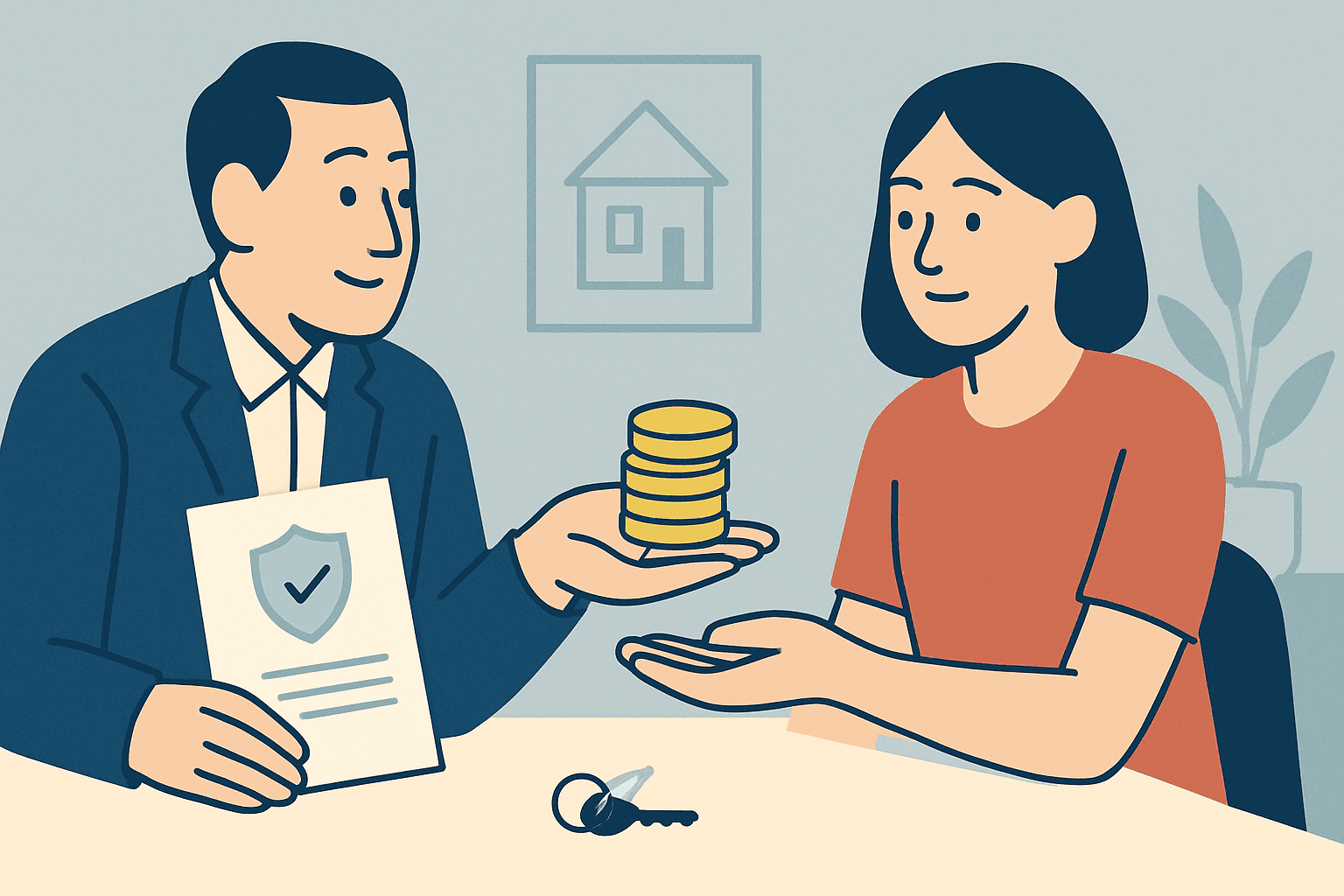
Start with a simple comparison: give your child $100,000 today, or leave them $1,000,000 after you are gone. On paper, the larger amount appears to win. But once timing is considered, the practical impact can be very different.
$100,000 at age 30 can become a down payment on a first home, startup capital for a shop, or the money that pays off a student loan. It can change the direction of a life at a critical point. Now compare that with $1,000,000 arriving at age 70. By then, your child has likely already made most of their major life decisions. The money may still help, but it may arrive too late to create the same opportunity.
A small amount delivered on time beats a fortune that shows up too late.
Many retirees use only a portion of what they saved. It is common for someone to retire with $1,000,000 and pass away with $2,000,000. After a lifetime of work, the money may not benefit the owner or the children at the moment when it could have had the greatest impact.
Lifespan and "Healthspan" Aren't the Same
One important point is often overlooked: lifespan means how long you live, while healthspan means how long you remain active and healthy. The average gap is about 12 years.
If life expectancy is 80, the years when you have the energy and physical ability to travel, spend time with grandchildren, and enjoy daily life may run only to about 68. The final twelve years are often more limited by health. We see owners who planned to travel after selling the shop, only to find that their body no longer allows them to take the trip.
Some things money cannot buy back. A trip taken at 40 can keep giving value for the next 50 years through the memory of it. Money left untouched in an account does not create those experiences.
The Three Types of Retirees
Retired owners often fall into three broad groups based on how they think about money.
The Consumer sees money as a tool for experiences and people. They travel while they can, help when a child buys a home, and give to causes they care about while they are alive to see the result.
The Protector is the most common type, often driven by one fear: running out of money before running out of life. Inflation, medical bills, a market crash, or becoming a burden on family can all create concern. As a result, even with millions in the account, they may avoid spending on themselves or their loved ones. Yet the data shows Protectors almost never run out. Many die with estates larger than the day they retired. There is a well-known story of a frugal secretary who left $8–9 million to charity—admirable, but she never had the chance to see the good her money created.
The Steward focuses less on the money itself and more on passing values and opportunity to the next generation. This person manages assets with intention, both during life and after death.
- Help while you can still see and feel the impact
- Attach purpose and rules to what you leave
- Start small with term life insurance + a trust
- Hoarding out of vague fear for a lifetime
- Thinking it's "all or nothing"
- Skipping a plan because it seems complicated
You Don't Have to Hand Over a Lump Sum: HEMS
The wealthier the family, the more likely they are to hesitate. Concerns about a child’s substance issues, poor money habits, divorce, creditors, or lawsuits can make planning feel risky. That can lead to a false choice: give them everything or give them nothing.
A practical solution is to use a neutral corporate trustee together with the HEMS standard. HEMS stands for Health, Education, Maintenance, and Support. It is a fiduciary standard recognized in all 50 states and is commonly used in trusts to guide when money may be distributed.
In plain English, HEMS means trust money is used for a beneficiary’s real needs—not unlimited personal spending. “Health” can include medical needs. “Education” can include tuition or other education-related expenses. “Maintenance and Support” can help preserve a reasonable standard of living, such as housing, basic living needs, or reliable transportation.
For example, a beneficiary cannot use the trust to buy a Lamborghini, but if they need dependable transportation, a practical Toyota Camry may be appropriate. They cannot quit their job simply to coast, but they will not be left homeless. If there is a medical emergency, a real education opportunity, or a basic living crisis, the trust can step in. Assets held inside the trust are also legally shielded from a beneficiary’s creditors, divorces, and lawsuits.
How to Start Small
Legacy planning is not reserved for the rich. A family running a restaurant, a laundromat, a cleaning crew, or a small retail shop can build a meaningful legacy with two basic tools.
- Term life insurance — the cheapest way to create a lump sum at death. The earlier and healthier you are when you buy, the lower the premium.
- A living trust — the container that holds the insurance payout or other assets, and spells out exactly who gets money, when, and for what purpose.
- Name the trust as the policy's beneficiary — so the payout flows into the trust and gets distributed by your rules.
Real examples make this easier to understand. One owner built an education trust guaranteeing tuition for any descendant who wants college, law school, or medical school. Another said, “I don’t want to leave them money—I want to leave them opportunities,” and structured a trust to fund two weeks of international travel each year for any descendant. Both plans were funded with simple term life insurance.
Legacy is defined not by the dollar amount you leave, but by the purpose and values you attach to it. You can enjoy life and help your kids today and build a plan that compounds your values far into the future.
If you are deciding what to leave your children, do not start with the number. Start with what, when, and under what conditions—then choose the tools that fit those goals. Keeping the books for the shop while also looking after the next generation of your family—that is what we mean by operational wellness.
Next step
Does this issue apply to your U.S. entity?
If the situation sounds familiar, start with where the books, close, payroll, and HQ reporting stand today.
Request a consultation